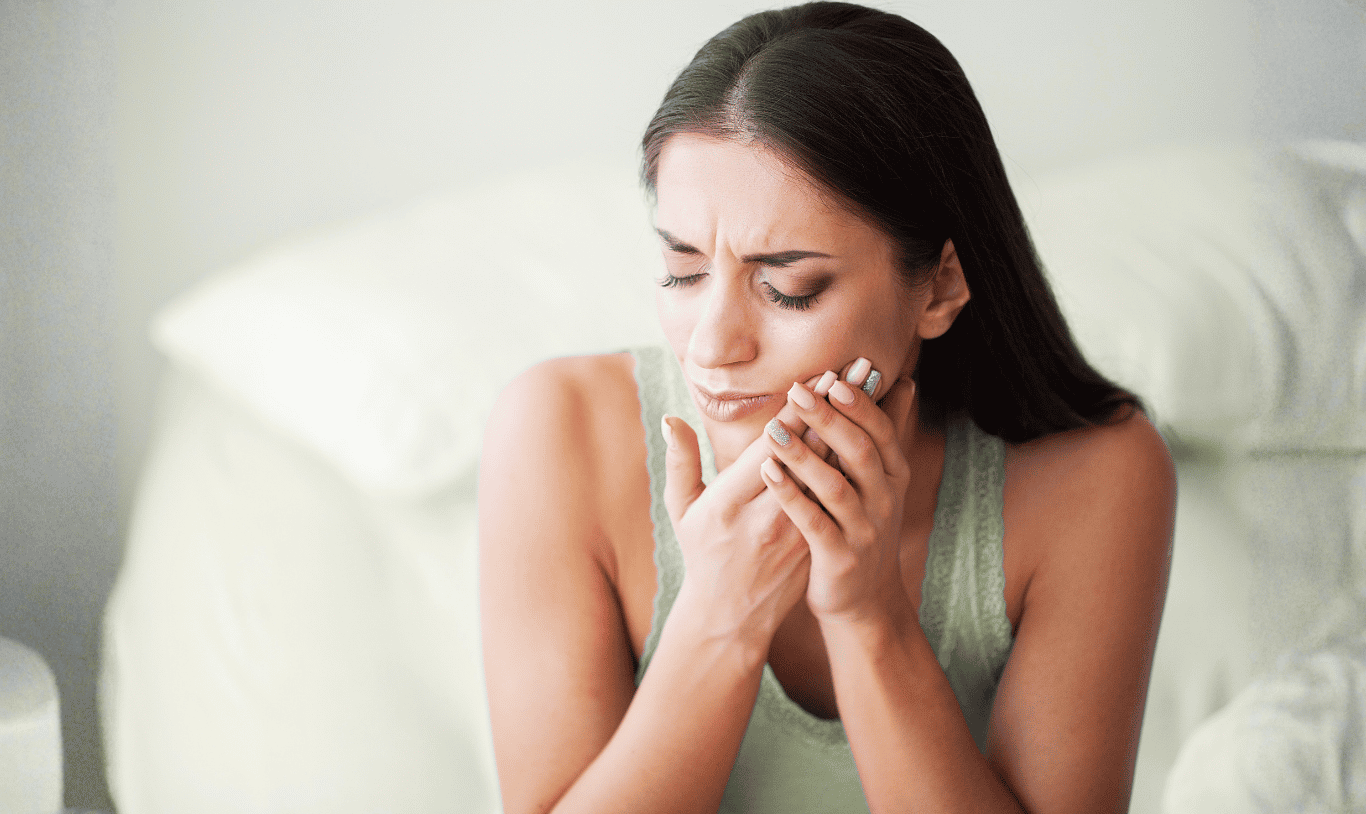
It is the middle of the night, and your tooth will not stop throbbing. The pain keeps you awake, and the dentist’s office is closed until morning. At Green Valley Dental Care in Henderson, NV, we see this every week. You are not alone, and there are safe steps that can help right now.
This guide shows how to stop a toothache tonight with safe steps you can do at home. These steps ease the pain for a while, but they do not fix the cause. They also help you know when the pain is too serious to wait.
You will learn fast relief steps and why the pain feels worse at night. We will cover how to pick the right pain reliever and use it safely. Then we will show the warning signs that mean a toothache is a dental emergency. Read on so you can rest tonight and plan your next step with confidence.
How do you stop a toothache fast?
To stop a toothache fast, rinse with warm salt water to clean the area. Floss gently to remove any trapped food. Hold a cold compress to the outside of your cheek. Take an over-the-counter pain reliever as directed. These steps ease pain temporarily, so see a dentist soon.
A toothache is a signal that something is wrong, such as decay, a crack, or an infection. Home care helps you cope, but it cannot treat the cause. Lasting relief comes from finding the problem and fixing it.
Pain that will not stop, swelling, or a fever? Get emergency dental care in Henderson, NV, or call (702) 547-6453
How to Stop a Toothache Fast at Home
You can ease a toothache at home with a few simple steps. These steps calm the pain while you wait to see us. Try them in this order:
- Rinse with warm salt water. Mix a little salt into a cup of warm water. Swish for 30 seconds, then spit. This cleans the area and helps reduce swelling.
- Floss gently around the sore tooth. A piece of food trapped between the teeth can press on the tooth and cause pain. Slide the floss in slowly to remove it.
- Use a cold compress. Hold a cold pack against the outside of your cheek for about 15 minutes. Do not place ice directly on the tooth.
- Take an over-the-counter pain reliever. Follow the label, and ask your pharmacist if you are unsure. We cover which one to pick later in this guide.
- Keep your head raised when you lie down. Prop up with an extra pillow. This eases the pressure that can make pain feel worse.
These steps help for a while, but they do not fix the cause. Call us so we can find the source and treat it.
Why Toothaches Get Worse at Night
A toothache often hurts more at night because of how your body works when you lie down. The pain itself has not changed. A few simple things make it feel stronger after dark.
- Blood flow to your head goes up. When you lie flat, more blood reaches your head. That extra pressure presses on a sore tooth, making it throb harder.
- There are fewer distractions. During the day, work and family keep your mind busy. At night, the room is quiet, so you notice every ache.
- You may grind or clench in your sleep. Many people do this without knowing. The pressure can strain a tooth and the jaw, leaving it sore.
What if a tooth only seems to hurt at night? That can mean decay has reached the inner part of the tooth, or an infection is starting. The pain may fade by morning, but the problem has not gone away. Have it checked, even if you feel fine the next day.
Ibuprofen vs. Acetaminophen for Tooth Pain
For most tooth pain, ibuprofen is a good first choice. It is an NSAID, which means it lowers swelling right where the pain starts. Dental pain often comes with swelling, so this can be very helpful. Acetaminophen works differently and is a good option when you cannot take ibuprofen. The American Dental Association lists both as good first choices for short-term tooth pain in adults and teens.
| Ibuprofen (NSAID) | Acetaminophen | |
| Best for | Swelling and inflammation are common with tooth pain | When you cannot take an NSAID |
| How to take it | Follow the label or your dentist’s advice | Follow the label or your dentist’s advice |
| Use care if | Stomach, kidney, or bleeding issues, or certain medicines | Liver problems; do not pass the daily limit |
Some people should take one and not the other. Sometimes a dentist suggests taking both together for stronger relief. Do not try this on your own. Tell your dentist or pharmacist if you are pregnant, take blood thinners, or have kidney, liver, or stomach problems. Always follow the label, and ask a pharmacist if you are unsure which one is right for you.
This guide is for general learning and is not medical advice. Check with your dentist, doctor, or pharmacist before taking any medicine.
Use Caution With Benzocaine and Numbing Gels
Over-the-counter numbing gels with benzocaine can dull tooth pain for a short time. The relief does not last, because the gel washes away within minutes. These gels also carry a real safety risk that you should know about.
The FDA warns that benzocaine can cause a rare blood disorder called methemoglobinemia. It reduces the amount of oxygen your blood can carry and can be life-threatening. Warning signs include pale, gray, or blue skin, lips, or nails, plus headache, a fast heartbeat, or trouble breathing. These signs can show up within minutes or hours.
Who should avoid benzocaine gels:
- Infants and children under 2 years old. Never use these gels on them.
- Anyone using a gel without a methemoglobinemia warning on the label.
- People who have had a bad reaction to a numbing product before.
Get medical help right away if you notice any warning signs above.
What we tell Henderson patients about numbing gels is simple. They can take the edge off while you wait for your visit. They do not treat the cause. Read the label, use the smallest amount, and never use them on a young child. If a tooth hurts enough to reach for a gel, call us so we can fix the real problem.
When Is a Toothache a Dental Emergency?
A toothache is an emergency when the pain is severe, spreading, or comes with other warning signs. These signs mean the problem will not wait until a regular visit. Call for care right away if you notice any of the following:
- Swelling in your face, cheek, or jaw
- A fever along with tooth pain
- Pain that lasts more than a day or two
- Throbbing strong enough to wake you at night
- A knocked-out, cracked, or broken tooth
- Trouble swallowing or breathing (call 911 first)
Trouble breathing or swallowing is a medical emergency. Call 911 before you do anything else.
A tooth infection will not clear up on its own. The pain may ease for a day, but the infection can grow and spread. Left alone, it can reach your jaw or other parts of your body. That is why quick treatment matters so much.
When a Green Valley patient calls us about pain or swelling, we work to see you the same day. We find the cause, ease the pain, and start treatment so you can heal. You do not have to push through it alone.
Do not wait it out. Reach a same-day emergency dentist near you to get seen quickly.
How to Prevent Future Toothaches in Henderson, NV
Most toothaches start small and grow over time. Good daily habits prevent many of them from beginning. Here are simple steps that protect your teeth:
- Brush twice a day with fluoride toothpaste.
- Floss once a day to clean between your teeth.
- Cut back on sugary and acidic foods and drinks.
- Drink water throughout the day to rinse your mouth.
- Wear a nightguard if you grind or clench in your sleep.
Regular visits matter just as much as home care. During your cleaning, we remove buildup that brushing can miss. At your exam, we catch decay and cracks while they are small and easy to fix. Catching a problem early often means less pain and a simpler visit.
Many families across Henderson and the wider Las Vegas area put off care until something hurts. We see this often, and small problems turn into big ones. A short checkup twice a year can save you from a sleepless, painful night.
Stay ahead of pain with routine dental cleanings in Green Valley.
FAQS
Dental Care FAQ: Your Questions Answered
How can I stop a toothache fast at home?
To stop a toothache quickly, rinse with warm salt water and gently floss to remove trapped food. Then hold a cold compress to your cheek and take a pain reliever as directed. These steps ease pain for a while, so see a dentist soon.
Why do toothaches get worse at night?
Toothaches get worse at night because lying down increases blood flow to your head. That extra pressure pushes on a sore tooth and makes it throb harder. Fewer distractions at night also make the pain easier to notice.
What does it mean when a tooth only hurts at night?
A tooth that only hurts at night may have decay that has reached the nerve or an early infection. Lying down raises the pressure, so the pain shows up when you rest. The problem is still there by morning, so have it checked.
How do I relieve tooth nerve pain at night?
To relieve tooth nerve pain at night, take an over-the-counter pain reliever as directed and rinse with warm salt water. Keep your head elevated with an extra pillow to reduce pressure. A cold compress on your cheek can help, too. See a dentist soon.
Is ibuprofen or acetaminophen better for tooth pain?
Ibuprofen is often the better choice for tooth pain because it lowers swelling at the source. Acetaminophen is a good option if you cannot take an NSAID. The ADA lists both as good first choices. Follow the label, and ask your pharmacist if unsure.
When is a toothache a dental emergency?
A toothache is a dental emergency when you have facial swelling, a fever, or pain lasting more than a day. A knocked-out or broken tooth also needs fast care. Trouble breathing or swallowing means you should call 911 right away.
Where can I get emergency dental care for a toothache in Henderson, NV?
You can get emergency dental care in Henderson at Green Valley Dental Care. We are at 2213 N Green Valley Pkwy, Suite 102, Henderson, NV 89014. We will work to see you the same day. Learn more about our urgent dental treatment options.