
Dental Bonding in Henderson, NV: Fix Chips, Gaps, and Stains in One Visit
A chipped front tooth or small gap does not have to wait. At Green Valley Dental Care, dental bonding in Henderson often fixes the problem in a single appointment. This page covers how bonding works, who it helps, what happens during your visit, how it compares to veneers, how long it lasts, and how to keep it looking its best. Our dentists use tooth-colored composite resin to create natural-looking front-tooth repair. We keep same-week consult slots open for Green Valley families and patients from nearby offices throughout Henderson.
What is dental bonding?
Dental bonding in Henderson is a one-visit cosmetic fix that uses tooth-colored composite resin to repair minor damage on front teeth. The dentist applies the resin, shapes it to match your tooth, and hardens it with a curing light. A final polish blends the surface with your natural enamel for a seamless result.
Bonding is commonly used for:
- Small chips, cracks, and worn edges
- Closing narrow gaps between front teeth
- Masking dull or discolored spots
How Dental Bonding Repairs Chips, Gaps, and Surface Stains
Dental bonding adds tooth-colored resin to the damaged spot on your tooth. First, the dentist roughens the enamel surface a bit. Then they paint on a bonding agent. This helps the resin stick and stay in place. Next, the dentist adds the resin and shapes it to look right. A curing light hardens it in just a few seconds. Then they polish the tooth until it looks smooth and blends in. Henderson’s dry air can make small cracks in your enamel get worse. Bonding seals those edges so they don’t grow into bigger problems. The dentist matches the resin color to your tooth before starting. The fixed tooth looks like the chip was never there.
When Bonding Is a Smarter Choice Than Veneers
Bonding and veneers both improve the appearance of front teeth, but they serve different purposes. Bonding is a better fit when you have one or two teeth to fix. You can get it done in one visit, and it takes off very little enamel. The process can also be undone later if your goals change.
Veneers are a better pick when you want to change many front teeth at once. They also hold up better against deep stains. Veneers last longer with heavy use. If you want the same shape across your whole smile, veneers give more control.
Many patients start with bonding to fix one tooth. They can look at veneers later if they want a bigger change. Bonding lets you see the shade and shape in one visit before you pick anything permanent. That makes it a safe first step.
What to Expect at Your Bonding Appointment
Your visit starts with a short exam, a shade match to your neighboring teeth, and a quick bite check. Most surface bonding needs no numbing shot and no drilling. If a chip reaches a deeper layer of the tooth, the dentist will let you know before starting.
When the tooth is ready, the dentist keeps it dry and adds the bonding agent. Then the resin goes on, shaped to match your tooth. A curing light hardens each layer in seconds, and a final polish smooths everything out.
One tooth usually takes 30 to 60 minutes in the chair. Multi-tooth cases stay well under two hours. Our Henderson office sits near the 215 Beltway. We keep the same-week spots open so you can fit it around work.
How Long Does Dental Bonding Last and When to Refresh It
Bonding holds up well with steady home care. Most patients see five to ten years of use before a touch-up is needed. How long yours lasts depends largely on your daily habits and how much pressure your front teeth take.
Grinding, chewing ice, biting nails, and heavy bite force all wear down the bonding faster than normal use. Watch for small chips, rough edges, or thin dark lines forming along the bonding border. Those are signs the resin needs attention before the damage spreads.
Most refresh visits are quick. The dentist adds a small amount of resin, reshapes it, and polishes it. A full redo is only needed when a large area has worn through. Patients who grind at night often pair their bonding with a custom night guard to get the most out of their results.
Protecting Bonded Teeth From Stains and Daily Wear
Composite resin is softer than enamel, so it accumulates stains more quickly over time. The first 48 hours after your visit matter most. Skip coffee, red wine, tea, curry, and tomato sauce while the resin fully sets.
Your daily routine matters, too. Use a soft-bristle brush and a gentle toothpaste. Floss with care around the bonded edges so you don’t lift or chip the resin.
Do not chew ice, pens, or your fingernails. These habits chip-bonded edges faster than almost anything else. Patients from MacDonald Ranch who drink coffee each day often book a polish visit every six months. This keeps their bonded teeth bright and smooth.
Get in Touch
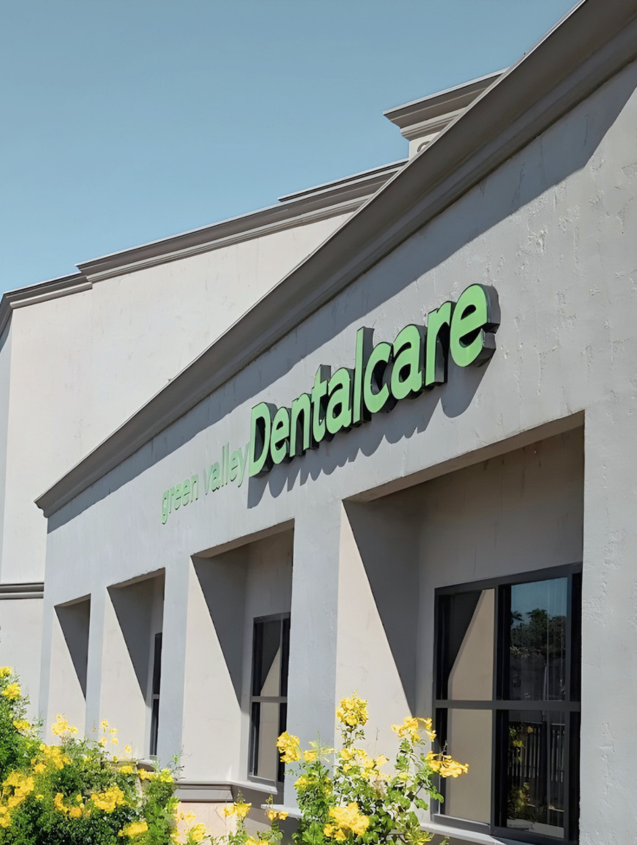
Taking the next step toward optimal oral health is easy. Our welcoming team at Green Valley Dentalcare is ready to schedule your appointment at a time that works best for you and your family. Plan your next visit with us and keep your smile healthy!
FAQS
Dental Care FAQ: Your Questions Answered
Can I get dental bonding done in one visit near Green Valley?
Yes, single-tooth bonding at our Henderson office near Green Valley typically takes 30 to 60 minutes, with no second trip needed. You leave the same day with a repaired tooth.
Does dental bonding hurt during the procedure?
Most surface bonding is painless and requires no numbing. An anesthetic is only used when a chip or crack extends deeper into the tooth.
How do I know if bonding is right for my front tooth?
The dentist checks your enamel strength, bite alignment, and stain depth at your consultation. Most small chips and minor gaps qualify without any additional prep work.
Will my bonded tooth look like natural enamel?
Your shade is matched to neighboring teeth before the resin is applied. The final polish gives a smooth, near-invisible result that blends with your natural tooth surface.
Can bonding close the gap between my two front teeth?
Small gaps under 3 mm are among the most common bonding cases we see. Larger gaps may require orthodontic treatment before bonding to achieve the best results.
What daily habits protect bonded front teeth?
Use a soft-bristled toothbrush and a non-abrasive toothpaste, floss gently around bonded edges, avoid chewing ice or hard objects, and schedule polish visits twice a year to maintain your results.
You have different question?
Our team will answer all your questions. We ensure a quick response,